
Picture this: you’re excited to maintain your fitness routine during your summer vacation, but when you step into the hotel gym, you’re greeted by stifling heat and overcrowded equipment. Sound familiar? This scenario plays out countless times during peak travel season, leaving many travelers frustrated and their fitness goals derailed.
The solution might be simpler than you think. Just steps away from that cramped gym lies an oasis of opportunity: the hotel pool. Swimming offers one of the most effective, refreshing, and enjoyable ways to stay fit while traveling, especially during those sweltering summer months.
Why Swimming Deserves a Spot in Your Travel Fitness Routine
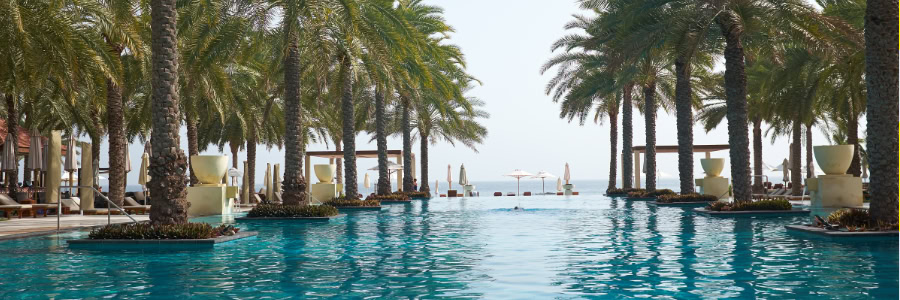
Swimming stands out as a uniquely comprehensive workout that addresses multiple fitness goals simultaneously. Unlike activities that target specific muscle groups, swimming engages your entire body in a coordinated effort that builds strength, endurance, and flexibility all at once.
Full Body Engagement When you swim, you’re essentially getting a complete gym workout in the water. Your chest, back, shoulders, arms, core, and legs all work together to propel you through the water. The largest muscles in your body, including your latissimus dorsi, quadriceps, and glutes, get a thorough workout while your core stabilizes every movement. This comprehensive muscle engagement makes swimming incredibly functional, with benefits that carry over to other activities and daily life.
Joint-Friendly Exercise The buoyancy of water reduces the stress on your joints by up to 90%, making swimming an ideal choice for travelers who want to maintain their fitness without the impact-related wear and tear of running or traditional gym workouts. This is particularly valuable when you’re spending long hours walking, hiking, or exploring new destinations.
Impressive Calorie Burn Swimming can burn between 400 to 700 calories per hour, depending on your weight, swimming intensity, and stroke choice. For a 150-pound person, an hour of moderate swimming burns approximately 500 calories, rivaling the calorie burn of running without the joint stress. This makes it an excellent choice for travelers who want to balance indulgent vacation meals with effective calorie-burning exercise.
Adaptable for All Fitness Levels Whether you’re a seasoned athlete or someone just starting their fitness journey, swimming can be adapted to your current fitness level. You can control the intensity, duration, and complexity of your workout, making it accessible regardless of your swimming experience.
What Makes a Great Hotel Pool for Fitness
Not all hotel pools are created equal when it comes to fitness swimming. Here’s what to look for when choosing your accommodation:
Pool Dimensions: The ideal pool for fitness swimming should be at least 20 meters long, allowing you to swim meaningful laps without constant turns. A depth of 1.2 to 1.5 meters ensures you can swim comfortably without touching the bottom. While smaller or irregularly shaped pools can work for water aerobics or leisurely swimming, they may limit your workout options.
Indoor vs. Outdoor Considerations: Indoor pools offer several advantages for fitness swimmers, particularly during summer travel. They provide protection from intense sun and heat, are typically less crowded during peak outdoor hours, and offer more predictable conditions. However, outdoor pools can be equally effective with proper sun protection and timing.
Amenities and Access: Check the pool’s operating hours to ensure they align with your preferred workout times. Early morning and late evening sessions are often less crowded. Look for hotels that provide towels, have nearby changing facilities, and offer clean, well-maintained pool areas.
When researching hotels, look for detailed information about their pool facilities. Many booking platforms now allow you to filter accommodations based on pool amenities, including whether they offer indoor or outdoor pools, which can help you find the perfect fit for your swimming workout needs.
Open Water Swimming: Adventures Beyond the Hotel Pool
For experienced swimmers seeking a more adventurous workout, open water swimming can provide an unforgettable fitness experience. However, this option requires careful planning and consideration of safety factors.
Location Selection: Research your swimming location thoroughly before entering the water. Look for areas with lifeguard presence, understand local currents and tides, and assess water quality. Local swimming groups, tourism offices, and hotel concierges can provide valuable insights about safe swimming spots.
Visibility and Safety Equipment: Open water swimming requires enhanced visibility measures. Wear a brightly colored swim cap and consider using a swim buoy, which serves as both a safety device and a visibility aid. These inflatable devices help you stay visible to lifeguards and other water users while providing a floating rest point if needed.
Weather Awareness: Weather conditions can change rapidly near bodies of water. Check forecasts before heading out and be alert for signs of changing conditions such as sudden wind gusts, distant thunder, or approaching storm clouds. When in doubt, postpone your swim.
Local Regulations: Research local swimming regulations and restrictions. Some areas may have designated swimming zones, prohibited areas, or specific hours when swimming is allowed. Respect these regulations for your safety and to avoid legal issues.
Essential Swimming Gear for Travelers
Must-Have Items: Swim goggles top the list of essential gear. They protect your eyes from chlorine or salt water while improving underwater visibility. Look for models with UV protection and anti-fog coating for the best experience.
A quality swim cap serves multiple purposes: it reduces drag for more efficient swimming, protects your hair from harsh pool chemicals, and increases your visibility in open water situations.
Training Enhancement Tools: A pull buoy can add variety to your workouts by isolating your upper body. This figure-eight-shaped foam device fits between your thighs or ankles, allowing you to focus specifically on arm and shoulder strength.
Technology Integration: Modern waterproof fitness trackers and smartwatches can transform your swimming experience. These devices track laps, strokes, heart rate, and calories burned, helping you monitor your progress and stay motivated. Popular options from Apple, Samsung, and Garmin offer swimming-specific features that work seamlessly with their broader fitness ecosystems.
Structured Pool Workouts for Every Level
Beginner Workout (20-25 minutes)
| Exercise | Details |
|---|---|
| Warm-Up | 10 × 25 meters easy freestyle (moderate exertion, rest 20 seconds between each) |
| Main Set | 5 × 25 meters flutter kicks using a kickboard (steady tempo, rest 30 seconds) |
| Cooldown | 100 meters easy backstroke, focus on relaxed movement |
Intermediate Workout (30-40 minutes)
| Exercise | Details |
|---|---|
| Warm-Up | 2 × 100 meters freestyle (moderate exertion, rest 30 seconds between sets) |
| Main Set |
4 × 50 meters freestyle (slightly higher exertion, rest 20 seconds) 4 × 25 meters sprint freestyle (high exertion, rest 30 seconds) |
| Drill Set | 200 meters pull buoy swim (moderate exertion, focus on high elbow catch) |
| Cooldown | 100 meters easy strokes of your choice |
Technique-Focused Session (25-30 minutes)
| Focus | Drill | Details |
|---|---|---|
| Breathing | Side-kick drill with 3-stroke breathing | 4 × 25 meters, switch sides halfway, rest 30 seconds |
| Arm Catch and Pull | Sculling drill (hands only, in front of chest or hips) | 3 × 25 meters, rest 20 seconds |
| Stroke Length | Fingertip drag drill, exaggerate long, smooth strokes | 4 × 25 meters, rest 20 seconds |
| Kick Technique | Vertical kicking (30 seconds at a time) or kickboard | 4 × 25 meters with fins, rest 30 seconds |
Open Water Workout Adaptations
Open Water Workout
| Exercise | Details |
|---|---|
| Warm-Up | 5–10 minutes easy swimming parallel to shore, focus on relaxed breathing and smooth strokes |
| Main Set |
4–6 × 100–200 meter intervals at moderate pace Floating rest with swim buoy (30–60 seconds) Practice sighting every 5–10 strokes Include 3–4 sprint bursts of 10–20 meters |
| Cooldown | 5 minutes easy swim back to entry point, freestyle or backstroke |
Workout Adaptations for Different Conditions
| Condition | Adaptation |
|---|---|
| Beginners | Shorten intervals to 50–100 meters and increase rest |
| Experienced Swimmers | Increase distance or reduce rest for more intensity |
| Choppy Water | Reduce sprint work, focus on control and sighting |
| Cold Water | Shorten sessions and watch for hypothermia signs |
Recovery and Adaptation Strategies
Swimming recovery differs from traditional gym workout recovery due to its full-body nature. While gym workouts often create localized muscle fatigue, swimming can cause more distributed soreness throughout your body.
Gradual Progression: Even experienced swimmers should start with shorter, less demanding sessions when returning to regular swimming. Begin with workouts similar to the beginner routine outlined above, then gradually increase intensity and duration as your body adapts.
Post-Swim Recovery: Stretching after swimming helps maintain flexibility and may reduce muscle soreness. Focus on major muscle groups including your lats, quadriceps, hamstrings, and chest. Hold stretches for 15 to 30 seconds to promote blood flow and muscle relaxation.
Hydration and Nutrition: Swimming can suppress thirst cues, but your body still needs adequate hydration. Drink water before and after each session, and consider electrolyte replacement if you’re swimming for extended periods or in hot conditions.
Post-workout nutrition should include both protein and carbohydrates to support recovery and muscle adaptation. Simple options include a protein shake, Greek yogurt with fruit, or a balanced meal with lean protein and complex carbohydrates.
Making Swimming Your Summer Travel Fitness Solution
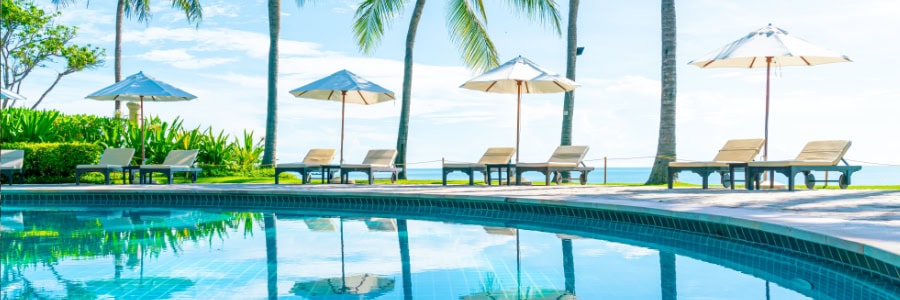
Swimming transforms the challenge of staying fit during summer travel into an opportunity for refreshing, effective workouts. Instead of struggling with overcrowded, overheated hotel gyms, you can dive into a comprehensive fitness routine that leaves you feeling energized and cool.
The versatility of swimming makes it an ideal travel companion. Whether you have 20 minutes or an hour, whether you’re a beginner or an experienced athlete, swimming can be adapted to fit your schedule and fitness level. The full-body workout you’ll get is comparable to, and in many ways superior to, what you’d achieve in a traditional gym setting.
As you plan your next summer getaway, consider the swimming facilities available at your destination. A hotel with a quality pool can be the difference between maintaining your fitness routine and returning home feeling out of shape. With the right preparation and mindset, swimming can become your favorite way to stay fit while traveling, turning exercise from a chore into a highlight of your vacation experience.